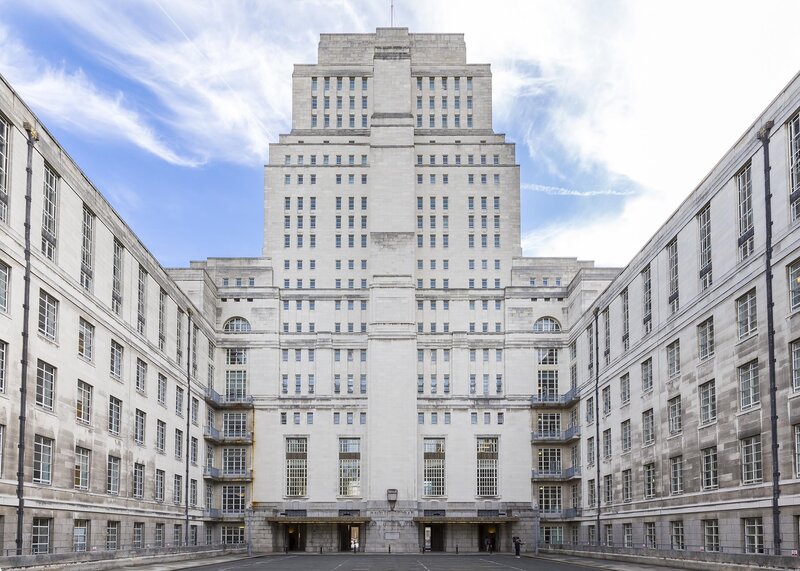
The time has come to present the results of our research in the British Isles. On 5 and 6 June 2025, Dr. Dorota Gregorowicz participated in the international academic conference entitled Corruption and Scandal in Early Modern World, 1500–1800, organised by the Institute of Historical Research at the University of London. This event was organised by the CHASE network (Consortium for the Humanities and Arts South-East England) in collaboration with the University of York and the Society for Court Studies, and formed part of the latter’s activities [CLICK HERE TO SEE THE PROGRAMME].
During the early modern period, the term ‘scandal’ had a broader meaning than it does today. Diplomatic practices of the time were also commonly characterised by what we would today call corruption. Early modern ambassadors were far from impartial or morally impeccable. As well as serving the interests of a particular ruler, diplomats were often motivated by multiple loyalties (of a familial, post-feudal and clientelist nature, as well as personal aspirations). While all of this was the accepted norm for the activities of early modern secular diplomacy, it could nevertheless take the form of a political scandal in the case of papal activities, taking into account the authority of the padre comune of Catholic princes. In her presentation entitled Suspicious Nobility. Accusations of Corruption and Political Bias Against Papal Diplomats Involved in the Sixteenth-Century Elections of Polish-Lithuanian Monarchs, Dr. Gregorowicz presented the results of a prosopographical study conducted as part of the ongoing project, drawing on her many years of experience researching papal policy towards the election of kings in the Polish-Lithuanian Commonwealth.